







How Much Sleep Does a Baby Need? A Complete Sleep Guide for Newborns, Babies & Toddlers
One of the most common questions new parents ask is:
"How much sleep does my baby need?"
Sleep plays a critical role in your baby's growth, brain development, emotional regulation, and overall health. While every child is different, understanding age-appropriate sleep recommendations can help parents create healthy sleep habits from the very beginning.
In this guide, we'll cover recommended sleep amounts by age, common sleep challenges, signs of sleep deprivation, and practical ways to support better sleep for newborns, babies, and toddlers.
Baby Sleep Chart by Age
|
Age |
Total Sleep Per Day |
Night Sleep |
Daytime Naps |
|
Newborn (0–3 months) |
14–17 hours |
8–9 hours |
7–9 hours |
|
4–12 months |
12–16 hours |
10–12 hours |
3–5 hours |
|
1–2 years |
11–14 hours |
10–12 hours |
1–3 hours |
|
3–5 years |
10–13 hours |
10–12 hours |
0–2 hours |
Remember that these numbers are guidelines. Some babies naturally sleep a little more or less while still developing normally.
How Much Sleep Does a Newborn Need?
Newborns typically sleep between 14 and 17 hours per day during the first three months of life.
Because their tiny stomachs need frequent feedings, sleep usually happens in shorter stretches of 2–4 hours at a time. At this stage, it's completely normal for babies to mix up day and night while their internal body clock develops.
Many families spend these early weeks focusing on feeding routines, bonding, and choosing practical newborn essentials that help make nighttime care easier.
Parents also often prepare a comfortable coming home outfit and a sleep-friendly environment to help their newborn transition into life outside the womb.

What Helps Newborns Sleep Better?
Some strategies that may help include:
- Keeping daytime environments bright and active
- Dimming lights during nighttime feedings
- Watching for early baby sleep cues such as yawning, rubbing eyes, or staring into space
- Following safe sleep recommendations
- Maintaining a simple bedtime routine
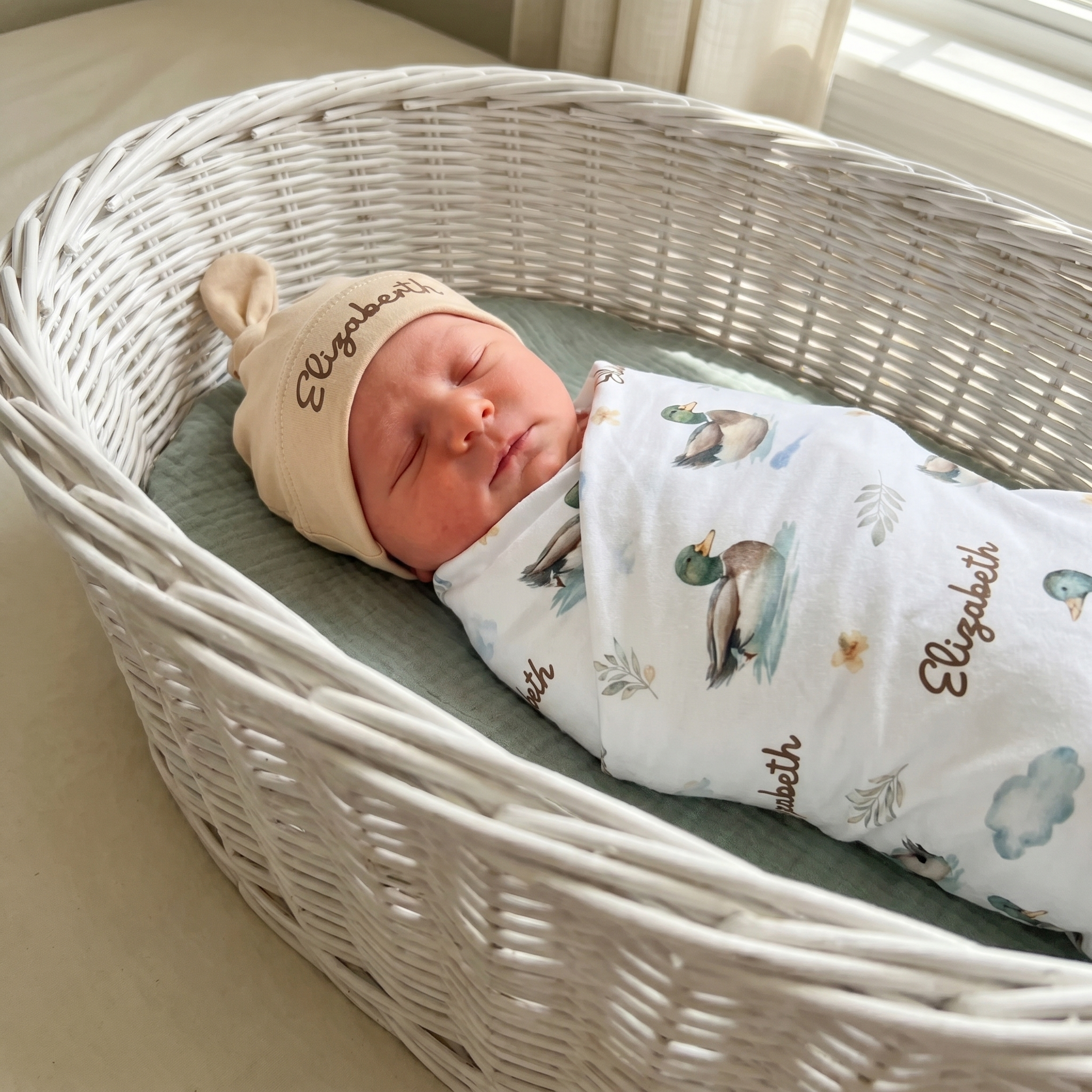
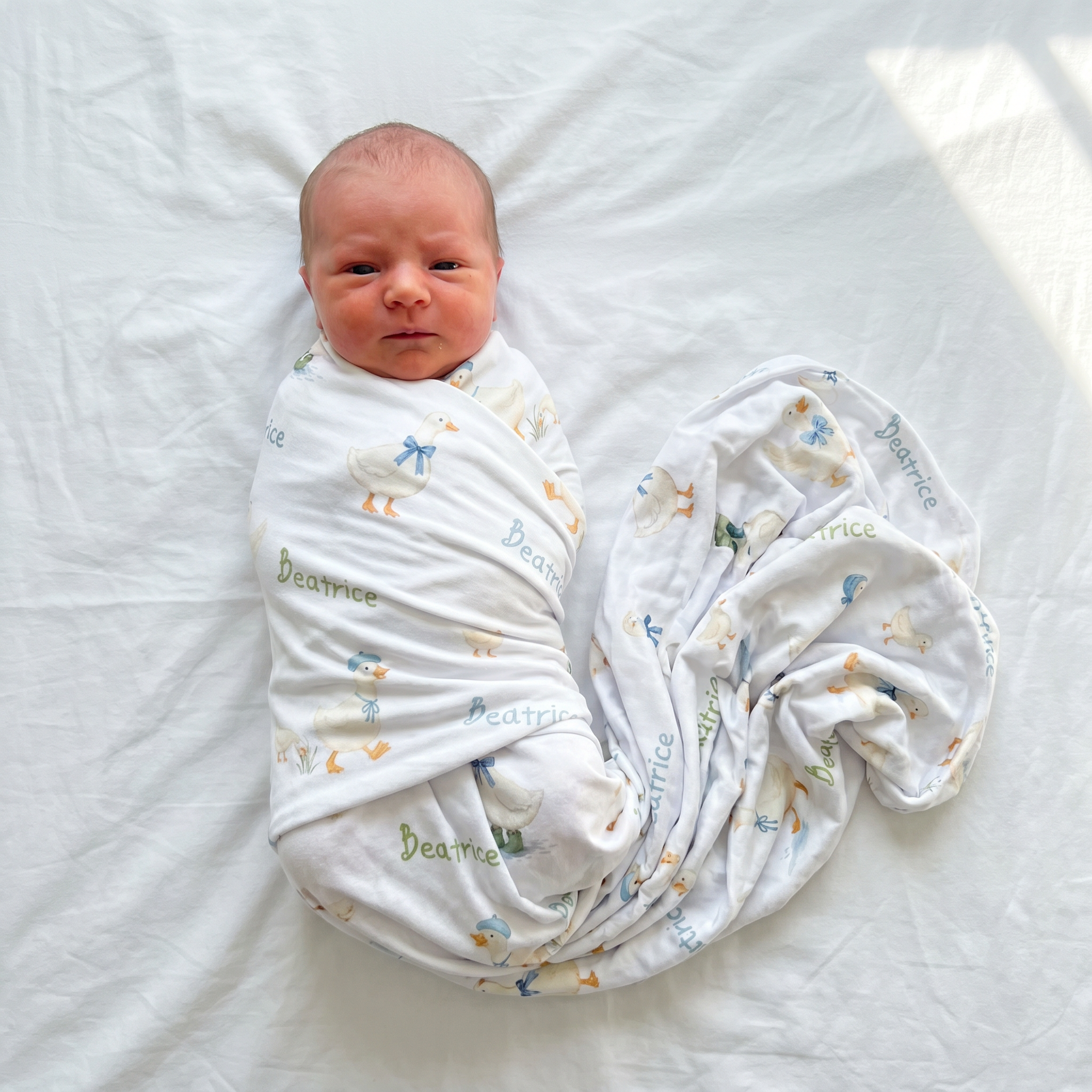
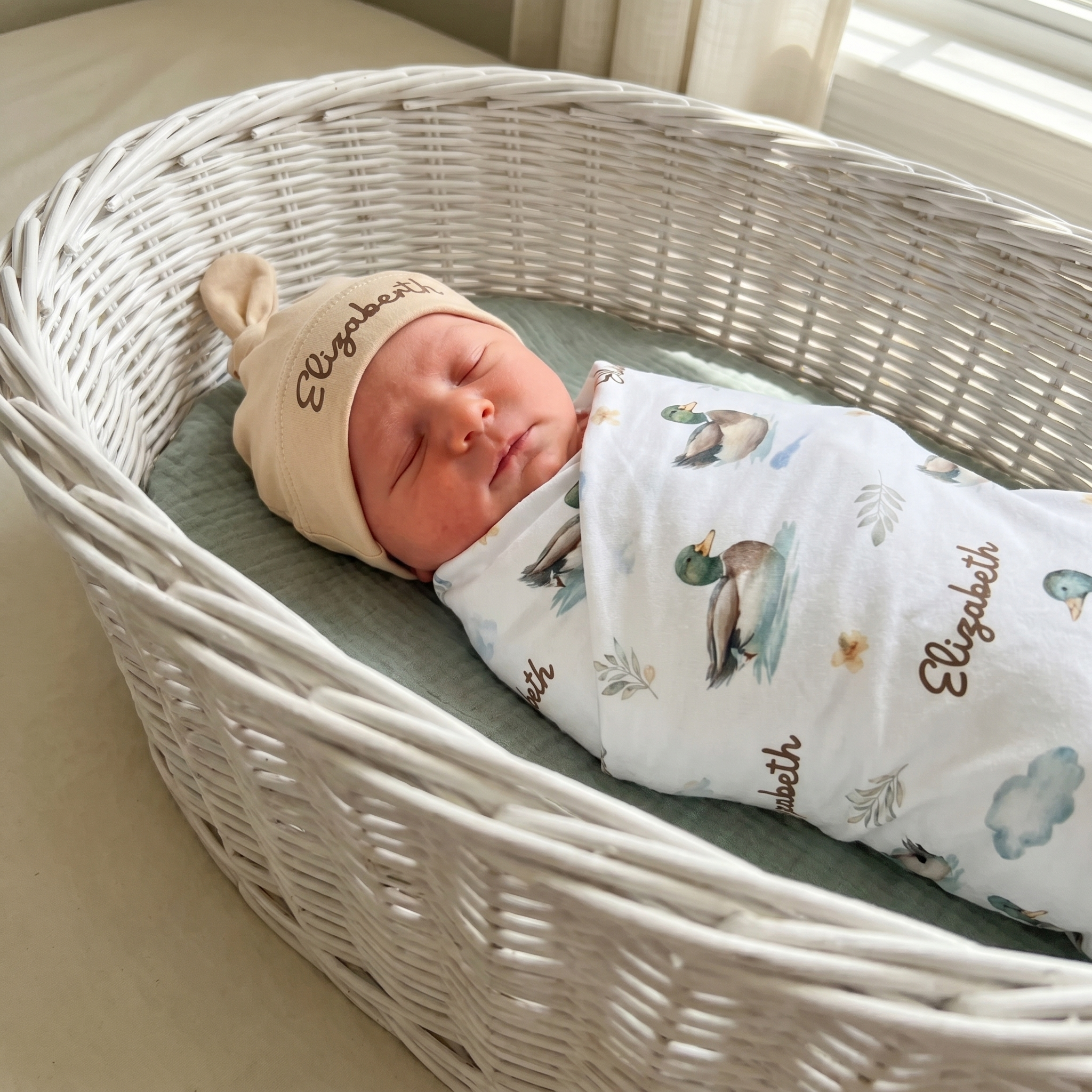
Many parents also use soft baby swaddle blankets during the newborn stage to help create a secure, comforting sleep environment.

Understanding Baby Sleep Cues
Recognizing baby sleep cues can make a big difference in how easily your baby falls asleep.
Common signs include:
- Yawning
- Rubbing eyes
- Fussiness
- Looking away from stimulation
- Becoming quieter than usual
Responding to these signals early can help prevent your baby from becoming overtired.
How Much Sleep Does a 4- to 12-Month-Old Baby Need?
Between 4 and 12 months, babies generally need 12–16 hours of total sleep per day, including naps.
As sleep patterns mature, many babies begin sleeping for longer stretches overnight and develop more predictable nap schedules.
Around this stage, parents frequently search for information about:
- baby sleep schedule
- infant sleep schedule
- baby sleeping through the night
- wake windows by age
- sleep regression
While every child develops differently, consistency often helps improve sleep quality.
What Are Wake Windows?
Wake windows by age refer to the amount of time a baby can comfortably stay awake between sleep periods.
Keeping babies awake too long can lead to overtiredness, making it harder for them to settle and stay asleep.
Following age-appropriate wake windows can help improve both naps and nighttime sleep.
Sleep Regression: What Parents Should Know
Many parents become concerned when a baby who previously slept well suddenly starts waking frequently.
This is often referred to as sleep regression.
Common sleep regressions may occur around:
- 4 months
- 8–10 months
- 12 months
- 18 months
Sleep regressions are often linked to developmental milestones, increased mobility, teething, or changes in routine.
Although challenging, they are usually temporary.
How Much Sleep Does a Toddler Need?
Toddlers between 1 and 2 years old generally need 11–14 hours of sleep per day.
Most toddlers transition to one daytime nap while continuing to sleep approximately 10–12 hours overnight.
Common toddler sleep challenges include:
- Bedtime resistance
- Separation anxiety
- Night wakings
- Early morning waking
A consistent bedtime routine becomes increasingly important during this stage.
Why Is Sleep So Important for Babies?
Sleep does far more than prevent crankiness.
Brain Development
During sleep, babies process new information and build important neural connections that support learning and memory.
Physical Growth
Growth hormone is primarily released during sleep, making adequate rest essential for healthy development.
Stronger Immune Function
Well-rested children often have stronger immune responses and recover more efficiently from illness.
Emotional Regulation
Healthy sleep supports mood regulation and helps babies and toddlers better manage transitions throughout the day.
7 Tips for Better Baby Sleep
1. Follow Age-Appropriate Wake Windows
Appropriate wake windows help prevent overtiredness.
2. Create a Consistent Bedtime Routine
A predictable routine helps signal that sleep is approaching.
Examples include:
- Bath time
- Storytime
- Feeding
- Cuddles
- Gentle lullabies
3. Create a Comfortable Sleep Environment
A dark, quiet, and cool room often promotes better sleep quality.
4. Choose Comfortable Sleepwear
Soft, breathable sleepwear can help babies stay comfortable throughout the night.
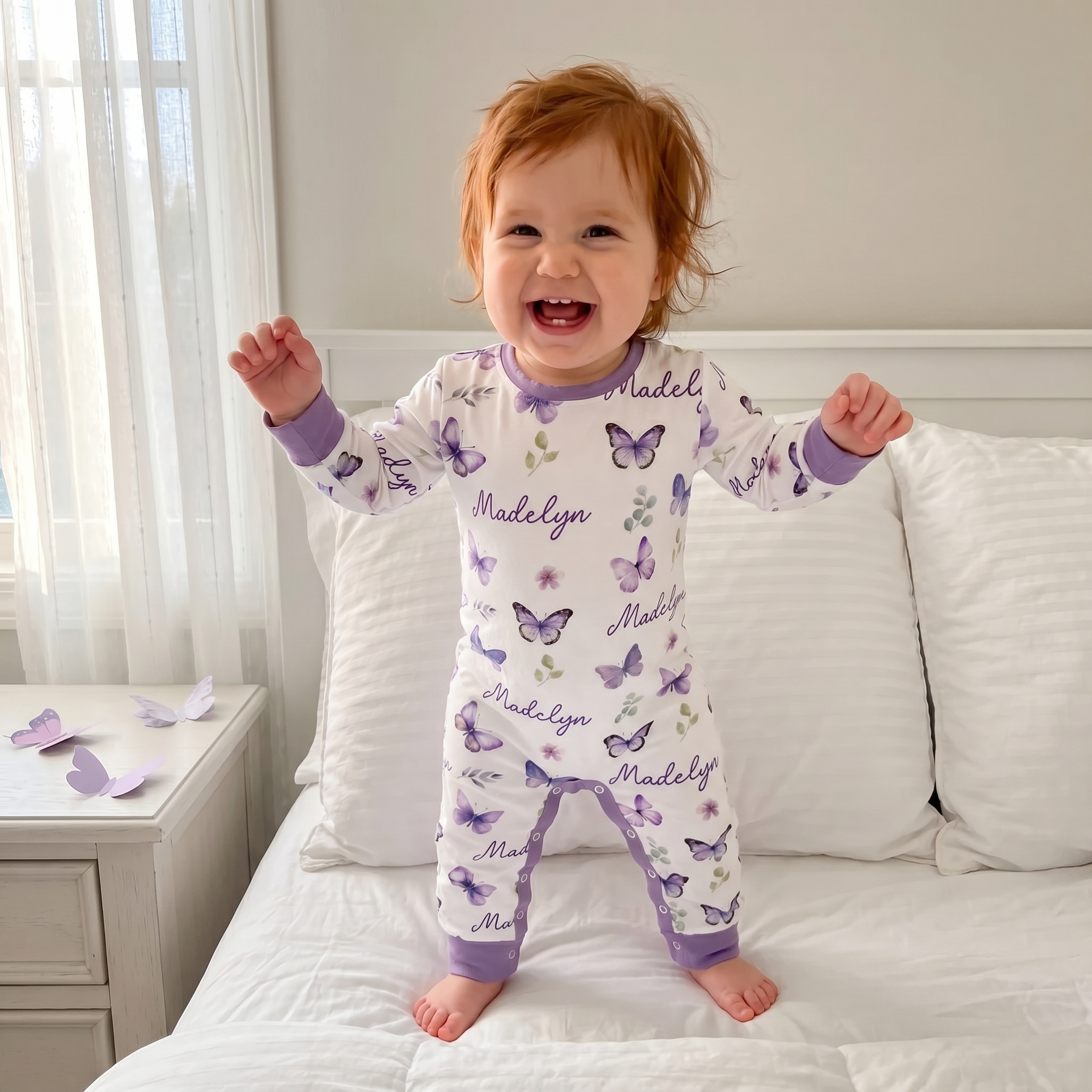
Many families choose a short-sleeve zip romper made from soft bamboo-based fabric because it allows for quick diaper changes while remaining gentle on sensitive skin.
Some parents also prefer newborn knotted gowns during the first few months because they simplify nighttime diaper changes without fully undressing the baby.

5. Encourage Daytime Activity
Natural daylight and age-appropriate play can help regulate sleep cycles.
6. Watch for Sleep Cues
Responding early to sleep cues can help babies settle more easily.
7. Prioritize Safe Sleep Practices
Always follow current safe sleep recommendations for infants.
Final Thoughts
Every baby has unique sleep needs, but understanding age-appropriate sleep recommendations can help parents feel more confident.
Rather than striving for a perfect schedule, focus on consistency, healthy routines, and creating a comfortable sleep environment.
With time, patience, and plenty of cuddles, healthy sleep habits will continue to develop naturally.
At PrettyBirds Baby, we believe that restful sleep begins with comfort, thoughtful routines, and carefully designed essentials that help little ones feel cozy day and night.